Vertical Harvest: How Cities Are Integrating Agriculture
Urban farming is maturing from community plots to high-tech vertical farms that provide fresh greens to city dwellers year-round.
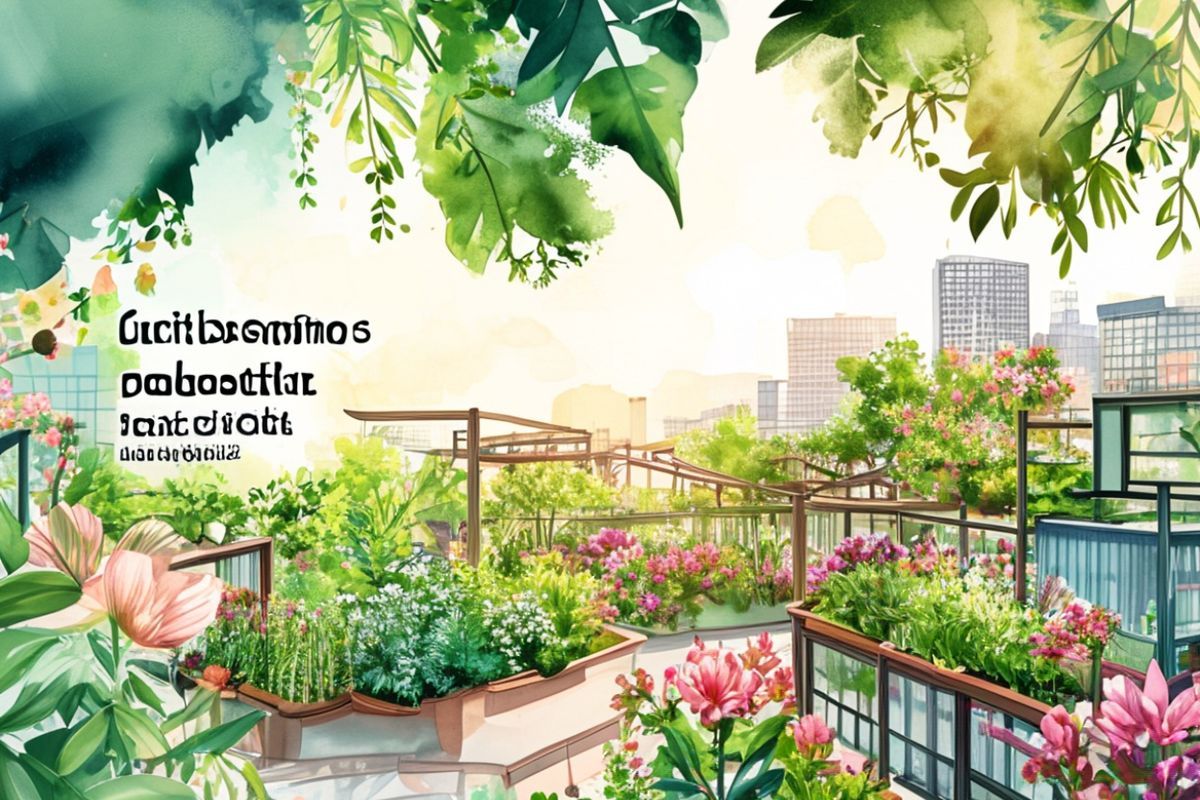
As supply chain vulnerabilities become more apparent, cities are looking inward for food security. The vertical farming market is expanding, utilizing hydroponic systems in retrofitted warehouses and shipping containers to grow produce within city limits. These controlled environments use 90% less water than traditional farming and eliminate the need for pesticides.
"It's hyper-local food production," says urban agriculture advocate Sarah Jones. "We are harvesting lettuce in the morning and selling it at the market down the street by lunch. This drastically reduces the carbon footprint associated with shipping food across the country."
Resilient Food Systems
While currently limited to leafy greens and herbs due to energy costs, the technology is advancing. Cities view these facilities as a buffer against climate-related disruptions that affect traditional agriculture, ensuring a steady supply of fresh nutrients regardless of the weather.
Related Posts
Urban Evolution: How Remote Work is Reshaping City Centers
With office occupancy down, cities are reimagining downtown cores as mixed-use residential hubs.

The Business of Burnout: Why Wellness Tourism is Booming
High-stress professionals are driving a surge in 'medical tourism' focused on mental health, sleep optimization, and digital detoxing.
Tiny Houses, Big Impact: Affordable Housing Revolution
As housing costs soar, tiny house dwellers are redefining what it means to find a home, often saving thousands in the process.