Tiny Houses, Big Impact: Affordable Housing Revolution
As housing costs soar, tiny house dwellers are redefining what it means to find a home, often saving thousands in the process.
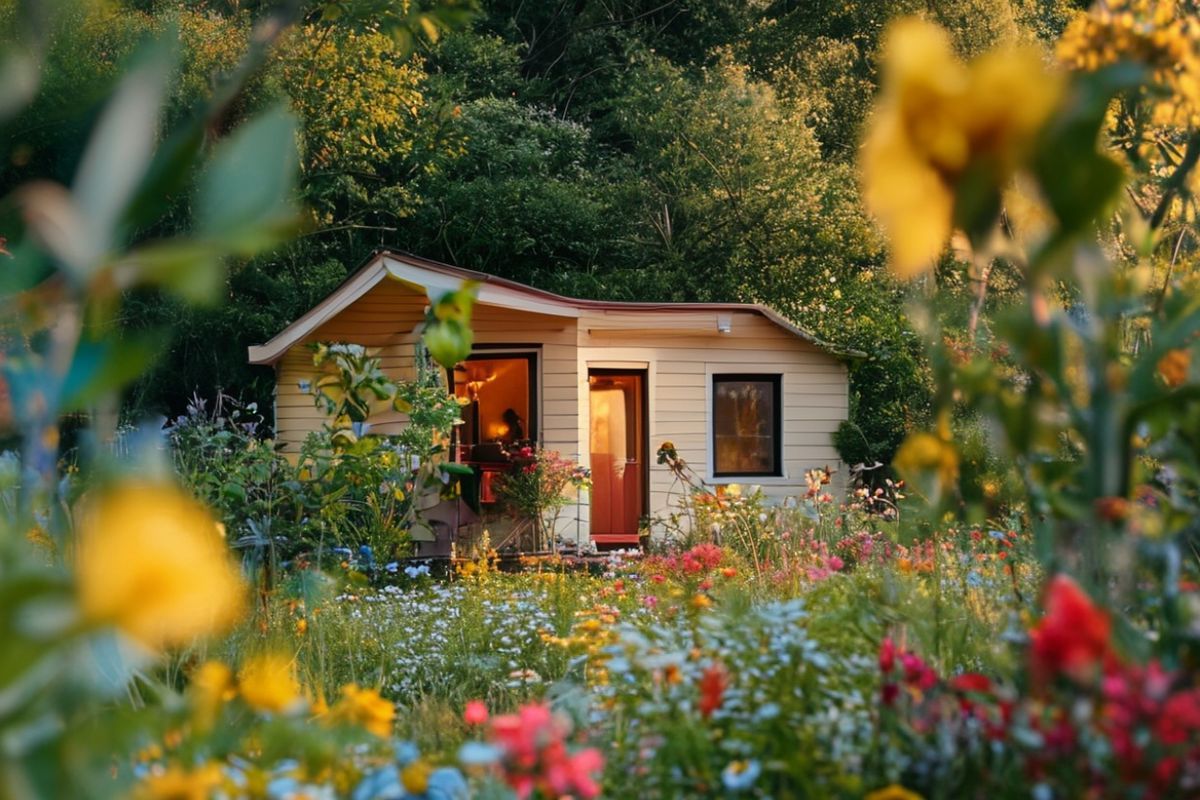
With median home prices skyrocketing in metropolitan areas, a growing number of Americans are opting out of the traditional mortgage trap in favor of tiny houses. These dwellings, typically ranging between 100 and 400 square feet, are offering a debt-free lifestyle for those willing to downsize their possessions. From Portland to Austin, dedicated tiny house communities are springing up, challenging local zoning laws and redefining the American Dream.
"It's about freedom, not just square footage," says David Cash, an architect who specializes in micro-housing. "When you aren't spending 50% of your income on rent or a mortgage, you have the resources to travel, invest, or work fewer hours. It's a lifestyle shift that prioritizes experiences over material accumulation."
Economic Context
According to recent HUD data, the cost of traditional housing has outpaced wage growth for the last decade. Tiny homes, which often cost between $30,000 and $60,000, provide an entry point into homeownership that has otherwise vanished for many millennials and Gen Z workers. Additionally, their small footprint means significantly lower utility bills and maintenance costs.
Related Posts

Urban Evolution: How Remote Work is Reshaping City Centers
With office occupancy down, cities are reimagining downtown cores as mixed-use residential hubs.

The Business of Burnout: Why Wellness Tourism is Booming
High-stress professionals are driving a surge in 'medical tourism' focused on mental health, sleep optimization, and digital detoxing.

East Meets West: Ancient Practices Meet Modern Bio-Hacking
Fitness enthusiasts are embracing a fusion of yoga and meditation with cutting-edge biometrics, revolutionizing holistic wellness.