Urban Evolution: How Remote Work is Reshaping City Centers
With office occupancy down, cities are reimagining downtown cores as mixed-use residential hubs.
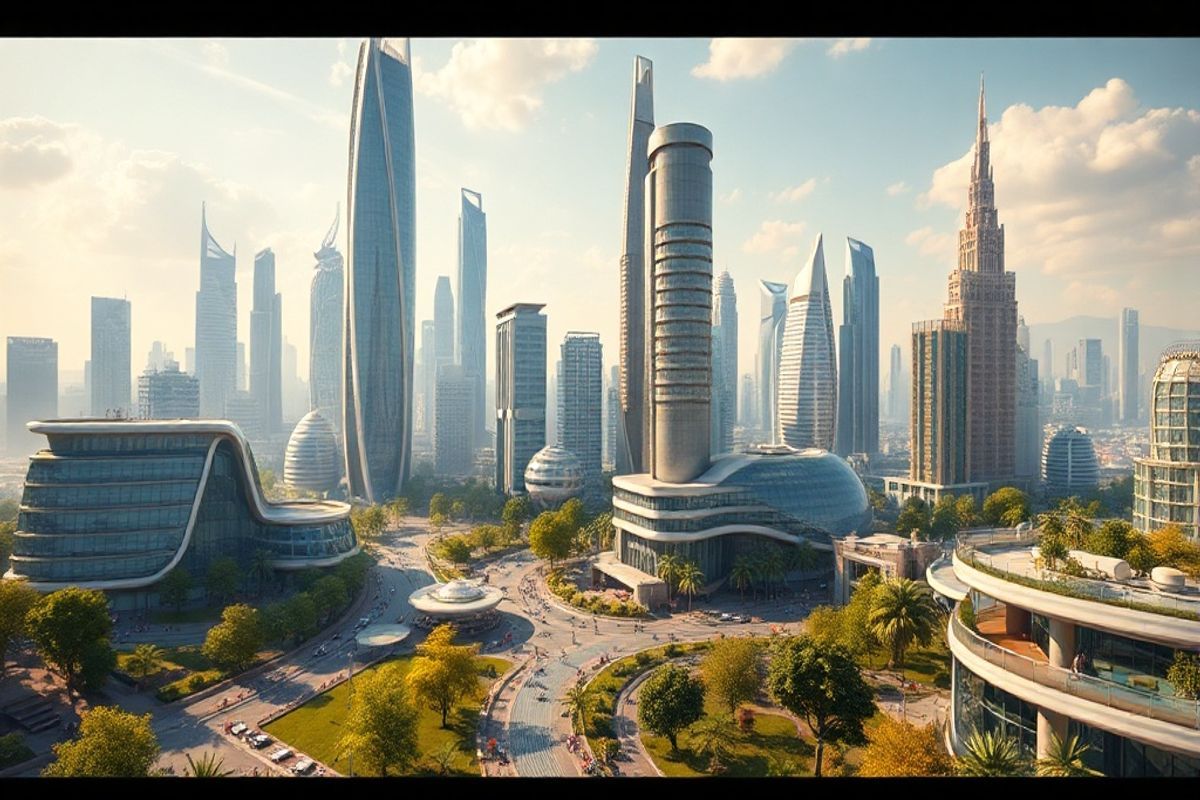
The persistent shift toward hybrid and remote work models has catalyzed a structural evolution in urban planning. With commercial real estate occupancy hovering below pre-2020 levels in many metropolitan areas, city planners are rethinking the purpose of the "central business district." The focus is shifting from pure commerce to mixed-use livability, prompting a wave of office-to-residential conversions.
"We are moving away from the idea of a commuter city," says urban planner Dr. Emily Chen. "The goal now is the '15-minute city' concept, where residents can access work, leisure, and essential services within a short walk or bike ride. This requires rezoning areas previously dedicated solely to corporate skyscrapers."
Economic Implications
While this transition poses short-term challenges for tax revenues dependent on commuter spending, experts argue it creates more resilient local economies. By bringing residents back to downtown areas, cities can revitalize nightlife and small businesses that rely on a steady stream of foot traffic, independent of the 9-to-5 workday.
Related Posts

The Business of Burnout: Why Wellness Tourism is Booming
High-stress professionals are driving a surge in 'medical tourism' focused on mental health, sleep optimization, and digital detoxing.
Tiny Houses, Big Impact: Affordable Housing Revolution
As housing costs soar, tiny house dwellers are redefining what it means to find a home, often saving thousands in the process.

East Meets West: Ancient Practices Meet Modern Bio-Hacking
Fitness enthusiasts are embracing a fusion of yoga and meditation with cutting-edge biometrics, revolutionizing holistic wellness.