Two-Wheeled Transition: Motorcycle Industry Pivots to Electric Powertrains
Major motorcycle manufacturers are accelerating the shift to electric, driven by urban emission zones and battery standardization.
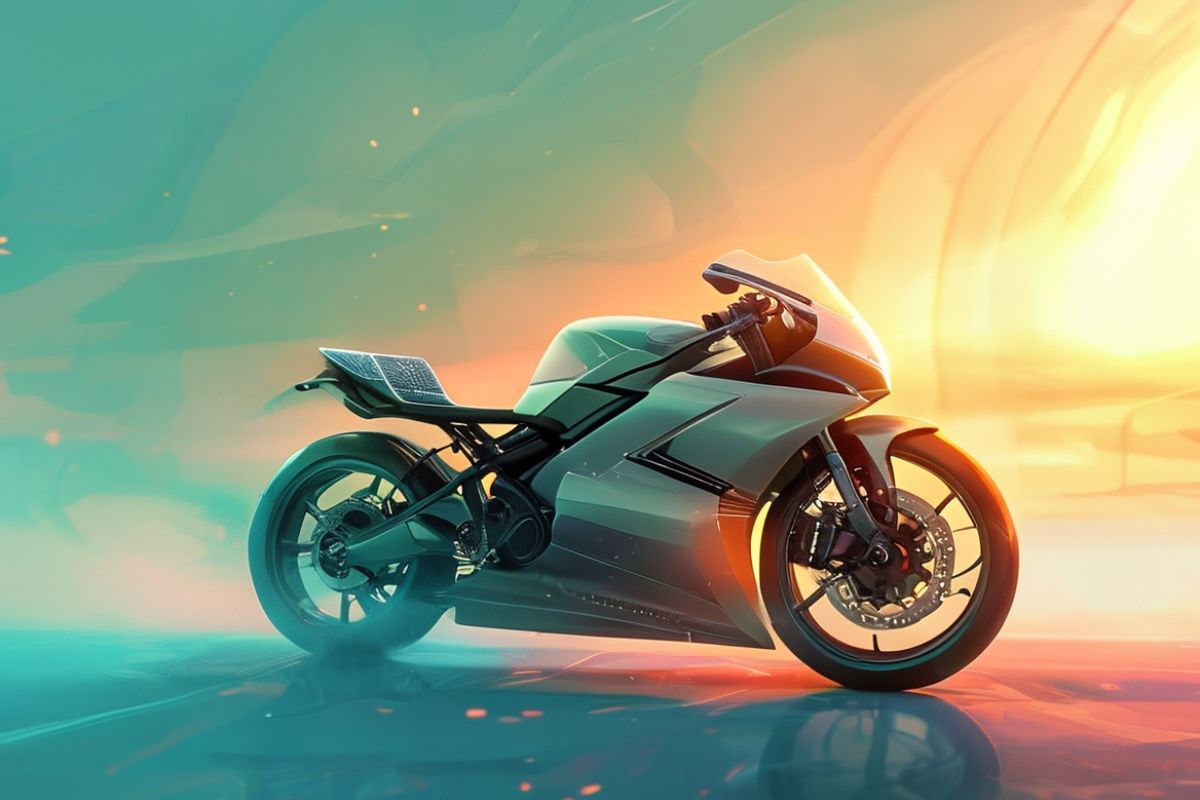
The motorcycle industry, long defined by the roar of internal combustion engines, is undergoing a quiet revolution. Facing strict Euro 5+ emission standards and the expansion of Low Emission Zones (LEZ) in major cities like London and Paris, the 'Big Four' manufacturers are prioritizing electric powertrains for their urban mobility lineups.
While high-performance leisure bikes remain largely petrol-based, the commuter segment is rapidly electrifying. "The challenge has always been battery weight versus range," explains automotive engineer Robert Johnson. "But the new consortium for swappable batteries between major brands is solving this. It standardizes the power source, allowing commuters to swap batteries at stations rather than waiting to charge."
Market Outlook
Industry analysts predict that by 2027, electric scooters and light motorcycles will outsell internal combustion equivalents in urban centers. This shift is not just environmental but economical, as the total cost of ownership for electric fleets (delivery and logistics) proves significantly lower due to reduced maintenance.
Related Posts
Crossing the Chasm: EV Adoption Hits Critical Tipping Point
Global sales data suggests electric vehicles have moved past early adopters, with market share in key regions signaling a permanent shift.
Battery Swap Stations Boom
Rapid expansion across major cities, boosting EV adoption
Autonomous Cars Get Green Light: Full Regulatory Approval Secured
Groundbreaking autonomous driving technology receives long-awaited federal approval, paving the way for widespread adoption.