Battery Swap Stations Boom
Rapid expansion across major cities, boosting EV adoption
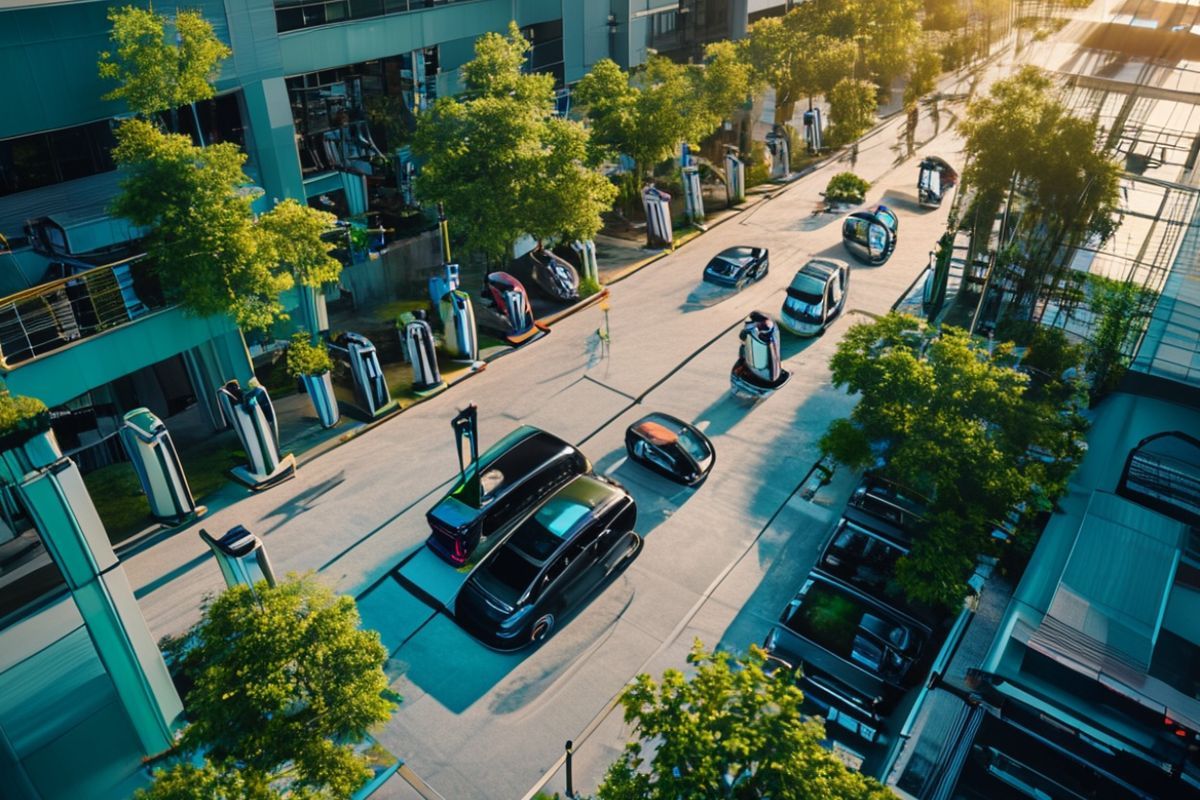
The electric vehicle (EV) landscape is witnessing a transformation with the rapid expansion of battery swap stations across major metropolitan areas. This infrastructure model addresses two of the biggest hurdles to EV adoption: charging time and range anxiety. Instead of waiting 40 minutes for a charge, drivers can now swap a depleted battery for a fully charged one in under five minutes.
According to recent data from the Department of Energy, the number of swap stations has increased by over 50% in the past year alone. Companies like Nio and Ample are leading the charge, deploying stations in high-density urban centers where home charging is often impossible for apartment dwellers. "Battery swap stations are the missing link for urban EV adoption," notes Julian Vance, an automotive analyst. "They make EVs viable for taxi fleets and delivery drivers who cannot afford downtime."
Technological Context
The concept isn't new, but recent standardization in battery packs has made it commercially viable. Advanced robotics inside the stations handle the heavy lifting, unscrewing the battery pack from the chassis and replacing it with surgical precision. This method also allows for centralized battery health monitoring, ensuring that degraded batteries are taken out of circulation and recycled responsibly.
Related Posts
Crossing the Chasm: EV Adoption Hits Critical Tipping Point
Global sales data suggests electric vehicles have moved past early adopters, with market share in key regions signaling a permanent shift.

Autonomous Cars Get Green Light: Full Regulatory Approval Secured
Groundbreaking autonomous driving technology receives long-awaited federal approval, paving the way for widespread adoption.

New Safety Standards: Mandatory ADAS in Vehicles by 2026
Regulators finalize rules requiring automatic emergency braking and lane assist in all new passenger vehicles, targeting a reduction in roadway fatalities.