Gigacasting: The Manufacturing Shift Reducing Vehicle Costs
Automakers are adopting massive die-casting techniques to simplify production, reducing vehicle weight and assembly time.
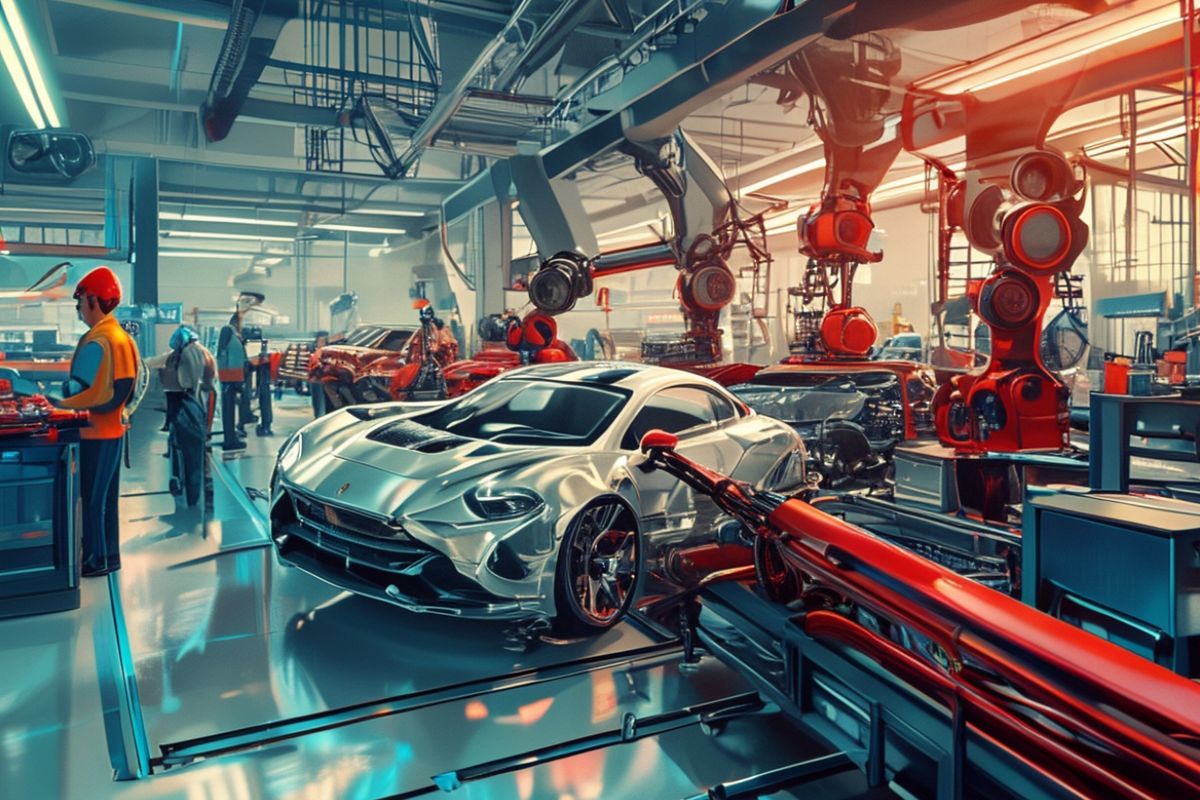
Automotive manufacturing is witnessing its biggest shift since the assembly line: 'Gigacasting.' This process involves casting large sections of a car's chassis as a single piece of aluminum, rather than welding together dozens of smaller steel parts. Pioneered by EV manufacturers, this technique is now being adopted by legacy automakers like Toyota and Volvo.
"It eliminates hundreds of robots and significant floor space from the factory," says manufacturing expert Dr. Maria Rodriguez. "By reducing the part count, you reduce weight and complexity. This directly translates to lower production costs and, for electric vehicles, increased range due to the lighter chassis."
The Trade-off
While efficient, the technique is not without critics. Repairability is a concern; a crash that damages a single-piece frame often results in the car being totaled rather than repaired. The industry is currently working on repair protocols to balance manufacturing efficiency with insurance and serviceability needs.
Related Posts

Crossing the Chasm: EV Adoption Hits Critical Tipping Point
Global sales data suggests electric vehicles have moved past early adopters, with market share in key regions signaling a permanent shift.

Battery Swap Stations Boom
Rapid expansion across major cities, boosting EV adoption

Autonomous Cars Get Green Light: Full Regulatory Approval Secured
Groundbreaking autonomous driving technology receives long-awaited federal approval, paving the way for widespread adoption.