Electrifying the Fleet: Ride-Share Industry Sets 2030 Targets
Major ride-sharing platforms are incentivizing drivers to switch to EVs, aiming for zero-emission trips in major global cities.
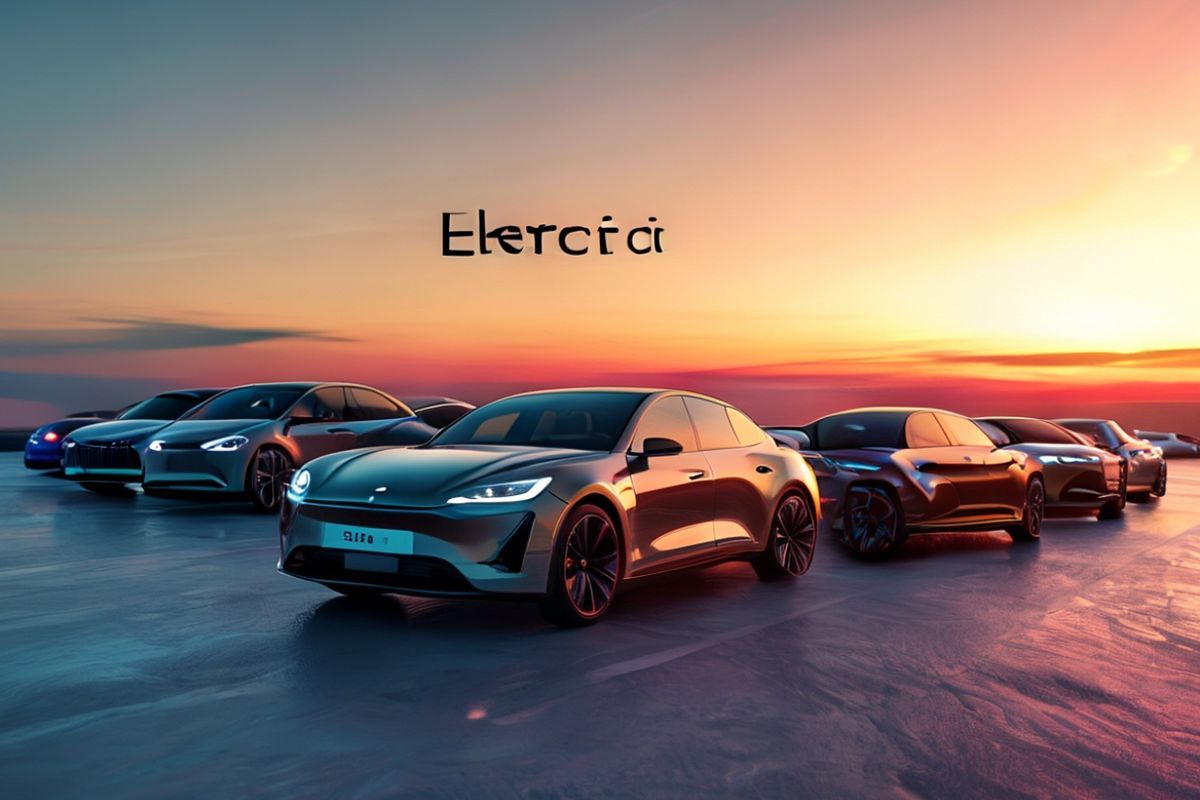
The gig economy is going green. Leading ride-share platforms have committed to becoming fully electric in key markets by 2030. To achieve this, companies are partnering with auto manufacturers and charging networks to offer drivers discounts on EVs and lower charging rates.
"Ride-share drivers put three times as many miles on their cars as the average commuter," notes industry analyst Michael Johnson. "Electrifying one ride-share vehicle has the carbon-reduction impact of electrifying three private cars. It is the high-leverage point for urban decarbonization."
Driver Economics
The barrier remains the upfront cost. While EVs are cheaper to operate and maintain—crucial for gig workers—the initial purchase price is high. New financial products and rental models are emerging to help drivers bridge this gap without taking on predatory debt.
Related Posts
Crossing the Chasm: EV Adoption Hits Critical Tipping Point
Global sales data suggests electric vehicles have moved past early adopters, with market share in key regions signaling a permanent shift.

Battery Swap Stations Boom
Rapid expansion across major cities, boosting EV adoption
Autonomous Cars Get Green Light: Full Regulatory Approval Secured
Groundbreaking autonomous driving technology receives long-awaited federal approval, paving the way for widespread adoption.