Solid-State Batteries: The Next Leap for Electric Vehicles
Researchers unveil progress on solid-state battery designs that could significantly increase range and safety for EVs.
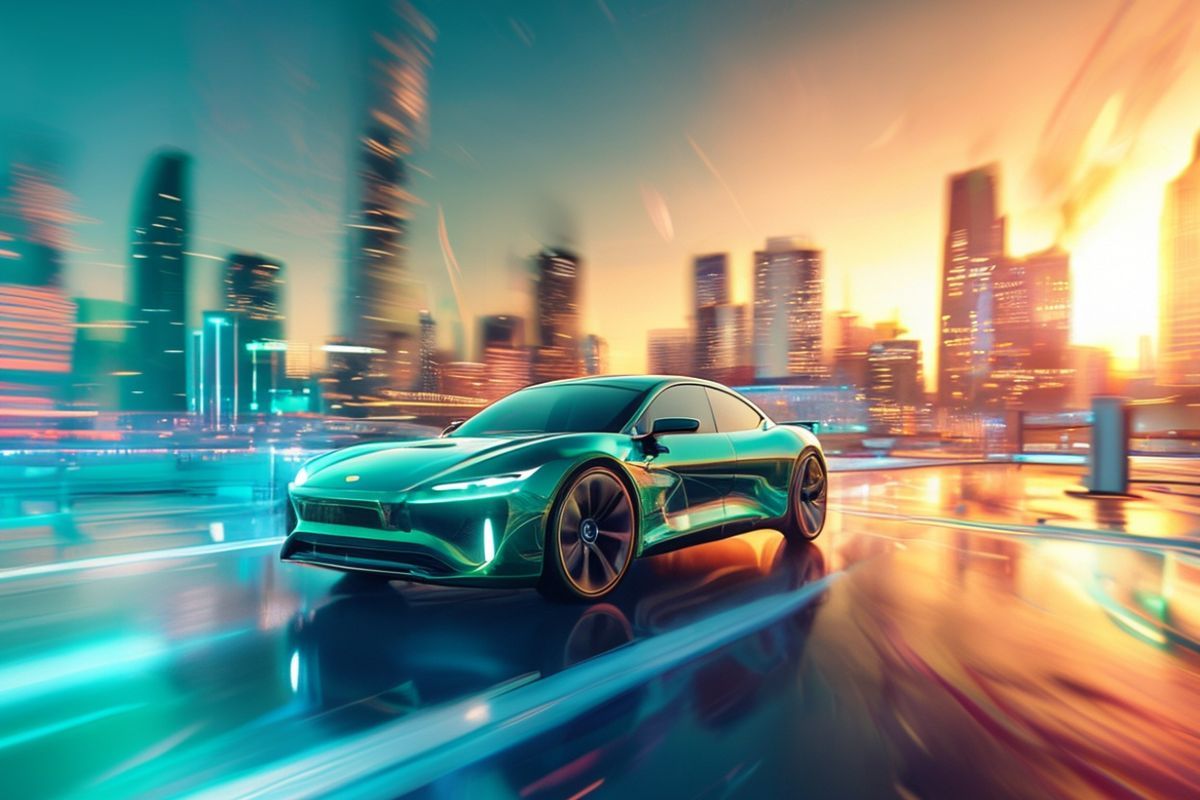
The "holy grail" of electric vehicle technology—the solid-state battery—is moving closer to commercial reality. Unlike conventional lithium-ion batteries which use a liquid electrolyte, solid-state batteries use a solid material that is less flammable and allows for higher energy density. Recent developments by research teams in Japan and the US suggest these batteries could increase EV range by up to 50% while drastically reducing charging times.
"The primary bottleneck for EV adoption has always been range anxiety and charging speed," says Dr. Aris Thorne, a materials scientist. "Solid-state technology addresses both. We are looking at a future where charging your car takes only slightly longer than filling a gas tank."
Challenges Remain
While the technology works in the lab, manufacturing at scale remains a hurdle. The materials are expensive, and durability over thousands of charge cycles is still being tested. However, major automakers have announced partnerships with battery startups, aiming to have solid-state powered vehicles on the road by the late 2020s, signaling a massive vote of confidence in the technology.
Related Posts

Breakthrough in Quantum Computing Revolutionizes Data Security
Scientists achieve major milestone, enabling powerful new encryption methods.

Cross-Platform Frameworks Streamline Mobile App Development
New open-source tools allow developers to write code once and deploy everywhere, significantly reducing development time and costs.

Spatial Computing: The Next Interface Beyond the Smartphone
Tech giants are betting big on mixed reality headsets, envisioning a future where digital information overlays the physical world.