Beyond Calories: Nutrition Science Shifts Focus to Ultra-Processed Foods
New dietary guidelines are expected to prioritize food quality and processing levels over simple calorie counting.
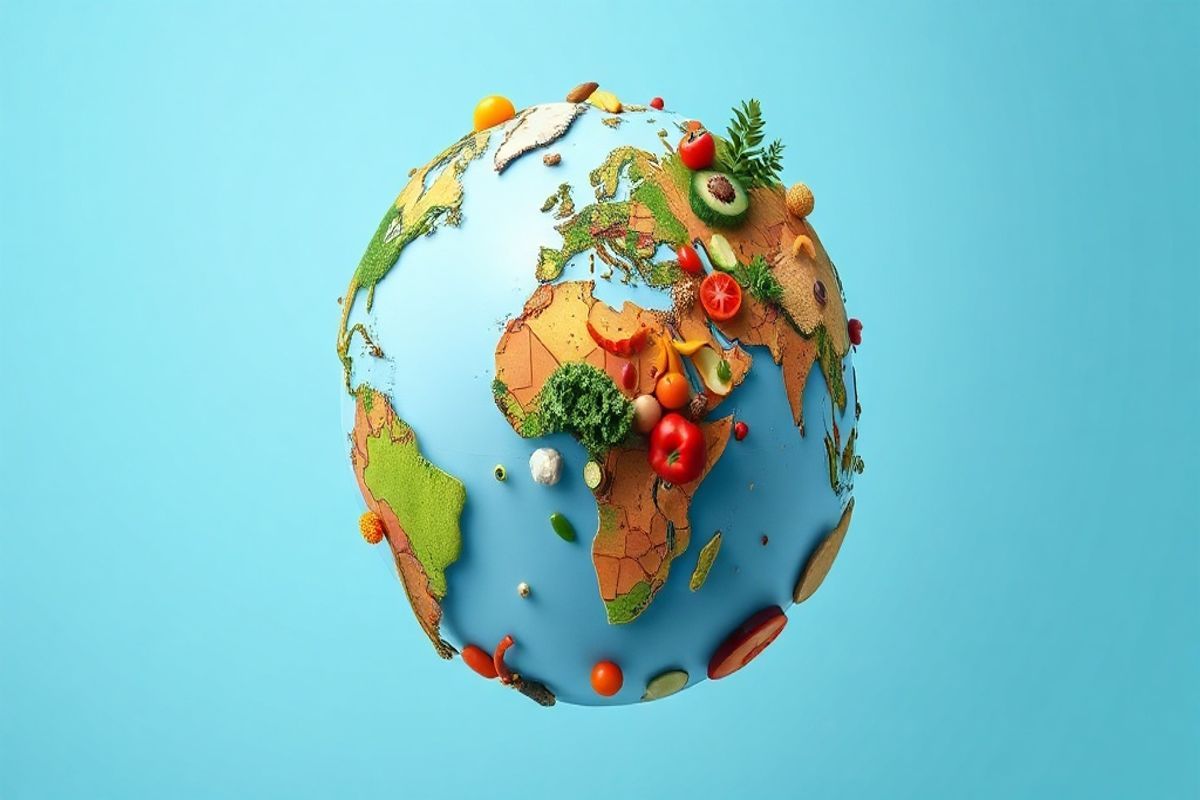
For decades, nutrition advice has focused heavily on macronutrients—carbs, fats, and proteins. However, a growing consensus among health experts suggests that how a food is processed matters just as much as its nutritional label. Emerging research links diets high in ultra-processed foods (UPFs) to adverse health outcomes, independent of calorie intake. This has prompted calls for a revision of global dietary guidelines to explicitly address food processing.
"We are seeing that the physical structure of food affects digestion and satiety," explains Dr. Maria Zuberi, a public health nutritionist. "An almond and an almond-flavored snack bar may have similar calories, but the body metabolizes them completely differently. The new guidelines aim to guide people back to whole foods not just for weight loss, but for metabolic health."
Changing the Menu
This shift poses a challenge to the food industry, which relies on processed ingredients for shelf stability and flavor. We are likely to see a reformulation of products and "cleaner" labels in the coming years as manufacturers respond to this scientific pivot. The focus is moving towards nutrient density—getting more vitamins and minerals per calorie—rather than just reducing fat or sugar in isolation.
Related Posts

Mental Health Screenings Become Standard in Primary Care Visits
Primary care now includes mental health screenings

Closing the Gap: Broadband Expansion Enables Rural Telemedicine
Federal investments in rural broadband are finally unlocking the potential of telehealth for isolated communities.

Wearable Tech Revolutionizes Fitness: Studies Show Dramatic Health Gains
Scientific breakthroughs confirm that fitness wearables can lower blood pressure, boost metabolism, and reduce chronic disease risk by up to 40%.