Assistive Tech Bridges the Gap for Students with Disabilities
Innovations in AI and hardware are creating more inclusive classrooms, allowing students with disabilities to engage more fully.
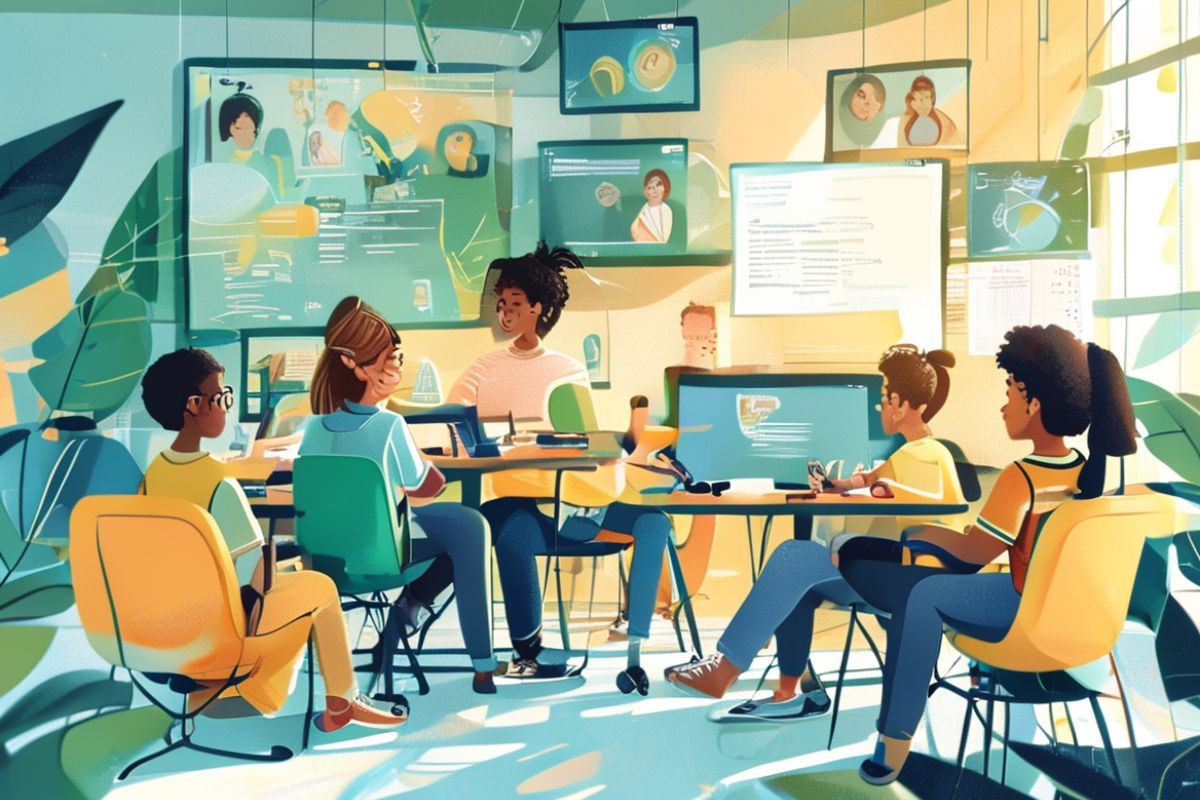
Technology is acting as a powerful equalizer in education, particularly for students with disabilities. From AI-driven text-to-speech engines that sound indistinguishable from humans to eye-tracking software that allows students with limited mobility to navigate computers, barriers to entry are falling. These tools are no longer specialized, expensive equipment but are increasingly integrated into standard tablets and laptops used in schools.
"The goal is inclusivity by design," says Mark Taylor, a special education advocate. "When accessibility features are built into the operating system, students with disabilities don't feel singled out. They use the same devices as their peers, just customized to their needs."
Future Applications
Emerging tech like Augmented Reality (AR) shows promise for students with neurodiverse conditions, providing visual overlays that can help break down complex tasks or manage sensory input. As these technologies become standard in the classroom, educators hope to see a narrowing of the achievement gap and an increase in independent learning for students who previously relied heavily on aides.
Related Posts

Fixing the Safety Net: Overhaul of Public Service Loan Forgiveness
Recent administrative changes to the PSLF program have resulted in billions of dollars in debt relief for teachers, nurses, and firefighters.
Micro-Learning and Spaced Repetition: The Science of Retention
Educational institutions are adopting cognitive science principles to redesign curricula, moving away from cramming to long-term mastery.
Workforce Development: Community Programs Target Adult Literacy
Local initiatives focus on adult education as a primary driver for economic mobility and workforce readiness.